
Stories in Every Surface: Material Provenance for Sustainable Interiors
Today we dive into material provenance and the art of weaving product stories into sustainable interiors, revealing how origins, people, and processes shape beauty, durability, and conscience. From forest certifications to artisan cooperatives, lifecycle data to living memories, we will show how honest sourcing enriches comfort, improves health, and invites deeper connection. Expect practical tools, inspiring case notes, and gentle nudges to turn everyday finishes into meaningful narratives your clients can hold, see, and celebrate.
Why Origins Matter Beyond Aesthetics
Follow a board’s life from responsibly managed forest to sunlit living room. FSC or PEFC credentials verify stewardship; local milling shortens transport; kiln schedules safeguard stability and waste. Reclaimed timbers preserve carbon and character, bearing nail holes and saw marks like archival notes. We once traced an 1890s barn oak plank to a family mill; the client shared that history during gatherings, and suddenly the floor became a conversation, not merely a surface.
Textiles carry intimate contact and deserve transparent journeys. Choose GOTS-certified organic cotton, mulesing-free wool, and natural dyes that protect waterways and workers. Ask for farm-level traceability and cooperative names, not just country tags. A rug that lists shepherd collectives and dye plants invites stewardship pride. QR codes stitched into selvedges can reveal finishing chemistry, energy sources, and maker stories, turning every step across the room into a reminder that comfort can be gentle, responsible, and wonderfully human.
Metals and stone demand particular rigor because extraction leaves long shadows. Favor high recycled-content aluminum and steel with clear EPDs; specify powder-coat finishes with verified low emissions. For stone, request quarries that publish water stewardship plans, worker protections, and restoration commitments. Ask for locally fabricated slabs and waste-reduction strategies like nesting. When provenance is specific, countertops become evidence of careful choices: durability without disregard, craft without erasure, substance without silence about the earth that offered the material in the first place.
Designing Narratives Clients Can Feel
A meaningful story does more than sit in a project manual; it lives in the room. Build tactile displays, provenance tags, and micro-moments that invite discovery. Map product journeys to client rituals: a breakfast bench milled nearby, a cork wall that echoes forest resilience, a tile glaze referencing regional clay. When narratives become interactive, clients advocate for stewardship naturally. They share what they love, remember why it matters, and care for spaces with reverence that outlasts trend cycles and turnover.

Room-by-Room Story Maps
Create a simple, beautiful legend that links materials with origins and makers. In the entry, a small card introduces reclaimed oak boards and their mill; in the kitchen, a drawer insert explains low-carbon countertops and recycled steel brackets. In the lounge, a QR label reveals the rug’s cooperative and dye garden. These gentle cues never preach. They give guests permission to ask, learn, and share, while reminding residents that their daily routines are stitched to landscapes and livelihoods.
The Five-Senses Reveal
Let provenance meet senses. Invite hands to feel cork’s spring and clay’s powdery softness. Let noses register cedar’s quiet resin, a natural moth deterrent. Sight lingers on subtle dye variations signaling plant-based pigments, not uniform synthetics. Sound the satisfying click of mechanical joinery replacing adhesives. Even taste can appear indirectly through stories of food-safe finishes. When materials resonate sensorially, their origins feel real, and sustainable decisions move from ideals to experiences people defend, enjoy, and genuinely remember.
Digital Twins and QR Journeys
Pair a project’s digital twin with discreet QR markers on key elements. Scanning reveals lifecycle impacts, certifications, maker portraits, maintenance guides, and end-of-life pathways. Clients love seeing repairs planned from day one, and vendors appreciate recognition. Provenance becomes a living document, updated as parts are serviced or swapped. This continuity anchors trust across years, avoiding lost manuals or forgotten commitments, and turning the home or office into a transparent ecosystem rather than a sealed black box of unknowns.


Low-Carbon Choices Without Compromise
Design excellence and carbon literacy can coexist gracefully. Evaluate embodied impacts using EPDs, prioritize recycled content where performance allows, and choose finishes cured off-site to minimize on-site emissions. Seek local or regional sources to reduce transport, and prefer mechanical connections over heavy adhesives. Specify long-lived products with repair paths, because the lowest-carbon item is often the one you do not replace. Beauty grows richer when the material’s story includes restraint, intention, and responsibility all the way from source to installation.
Healthier Interiors, Happier Lives
The most responsible material still fails if it harms indoor air or comfort. Favor low-VOC finishes, formaldehyde-free composites, and GREENGUARD Gold or equivalent assurances. Clay paints regulate humidity and soften light; solid wood and wool cushion acoustics. Consider WELL and LEED v4.1 credits as guides, not ceilings. Health is sensory, social, and emotional. When selections are verified and humane, occupants breathe easier, sleep deeper, and talk proudly about spaces that look beautiful because they actually feel restorative.
Specify products with verified emissions testing and schedule installation to allow off-gassing before occupancy. Combine mechanical ventilation with absorptive materials like untreated wool that can bind certain aldehydes. Coordinate with contractors on low-toxicity adhesives and sealants, and capture dust diligently. Provide occupants with a simple air-quality snapshot post-completion. Nothing builds trust faster than a room that smells like wood and light, not solvent confusion, on the day keys are handed over and dreams begin in earnest.
Natural textures calm our nervous systems. Cork underfoot softens steps, limewash adds depth without glare, and oiled timber warms to the hand. Plant-based textiles breathe, regulating microclimates around skin. Patterns that reference local geology or flora nurture belonging. Health is not only chemical; it is connection. When people can trace materials to landscapes, gratitude replaces anxiety, and the everyday gesture of opening a cabinet or leaning on a sill becomes a small, centering moment worth savoring.
Compliance proves minimums; transparency builds relationships. Ask for HPDs, Declare labels, and ingredient lists in plain language. Encourage manufacturers to share where they are improving and where help is needed. Celebrate incremental progress without excusing harmful shortcuts. When a vendor shows a Red List plan with milestones, honor that honesty. Radical transparency replaces suspicion with partnership, inviting designers and clients into the process and creating interiors that reflect collective courage rather than polished, unexamined perfection.

Craft, Culture, and Community
An Heirloom Rug’s Journey
A client fell in love with a hand-knotted wool rug from an Atlas Mountains cooperative. We traced the wool to highland flocks, logged natural indigo vats, and confirmed fair wages through cooperative bylaws. The client received a short film of the weavers naming motifs inspired by seasonal clouds. When the rug arrived, it was greeted like family. Wear patterns no longer felt like damage; they became chapters. Repair plans were budgeted from the start, completing a respectful, enduring cycle.
Cork That Saved a Forest
Cork oaks thrive when bark is carefully harvested, encouraging biodiversity and rural livelihoods. We specified cork flooring sourced from a producer documenting regenerative practices and solar-powered granulation. The client learned that each harvest leaves the tree standing stronger, absorbing more carbon. Forest guardians shared bird counts and wildflower surveys through a delightful annual update. Every step across that warm, resilient surface ties the household to a living landscape where people, trees, and storks coexist in practical harmony.
Ceramics with a Thumbprint
Handmade tiles remember hands. Slight variations in glaze pool like raindrops, telling of kilns, clays, and patience. By partnering with a studio using local clay and energy-efficient firings, we trimmed transport and honored geology underfoot. Offcuts became mosaic accents, reducing waste. The maker stamped batch numbers on boxes and shared cleaning guidance to extend life. Guests inevitably ask, and the homeowner smiles, pointing out a tiny thumbprint near the sink that anchors the kitchen in joyful humility.


Proof, Labels, and Trust
Certifications are not a finish line, but they help translate intent into verifiable practice. Learn how EPDs quantify impacts, HPDs and ingredient lists reveal chemistry, FSC and PEFC protect forests, and Cradle to Cradle evaluates circular readiness. Declare labels highlight Red List considerations and end-of-life pathways. Layer proof with narrative: names, photos, and audits. When trust is built on data and humanity together, clients relax, vendors feel seen, and integrity becomes the quiet heartbeat of every selection.
Maintenance, Longevity, and Circular Futures
{{SECTION_SUBTITLE}}
Design for Disassembly
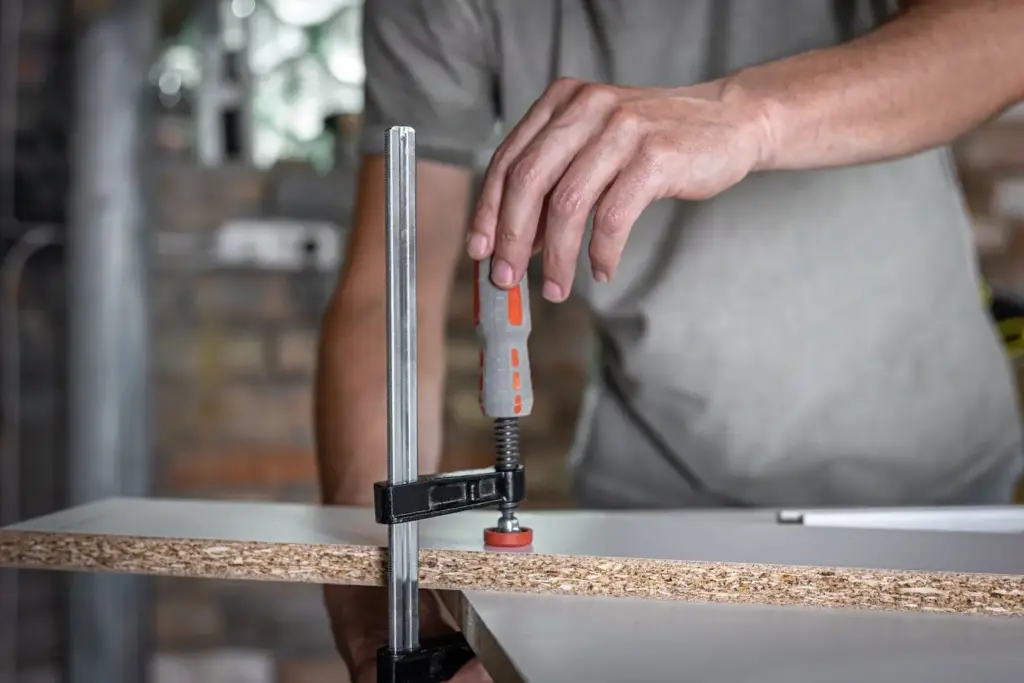
Choose mechanical fixings, reversible tapes, and click systems wherever feasible. Avoid permanent bonds in areas likely to change. Document how pieces come apart, from baseboards to ceiling panels, and store special tools onsite. This foresight turns future updates into surgical operations rather than chaotic tear-outs. Clients appreciate the savings, contractors appreciate the clarity, and materials appreciate a second life. Disassembly is not an afterthought; it is a love letter to the future, signed in stainless steel.

Take-Back Programs that Actually Work
Not all take-back promises are equal. Ask vendors for documented returns, recycled tonnage, and partners handling reclaimed material. Pilot a small loop: carpet tiles swapped by the manufacturer, aluminum offcuts returned to a local recycler, packaging consolidated for reuse. Share metrics with the client quarterly, turning sustainability into visible momentum. When everyone sees loops closing, enthusiasm grows, budgets follow, and the next project begins with higher confidence that circularity is practical, measurable, and genuinely achievable.
Get Involved and Share Your Story
We would love to hear how you are weaving product stories into your own spaces. Share a photo and a quick note about one material you can trace, and tell us why it matters to you. Subscribe for monthly case notes, material deep dives, and gentle prompts that help you advocate with confidence. Comment with questions, request product comparisons, or nominate makers to spotlight. Together we can turn quiet rooms into living archives of care, creativity, and community.

Your Space, Your Provenance
Show us a surface with a story: a salvaged shelf, a ceramic bowl, a cork panel that brightens your day. Where did it come from, who touched it, and what surprised you? Tag the maker if possible. We will feature selected submissions in our next newsletter, crediting you and the craftsperson. Celebration multiplies good choices, inspiring others to trace their own materials and to see daily surroundings as invitations to gratitude rather than disposable scenery.
Spec Challenge: One Swap, Big Impact
This month, swap one specification for a lower-carbon, more transparent alternative and share the before-and-after. Maybe it is a recycled-content metal, a Declare-listed finish, or a locally milled wood replacing an import. Document cost, schedule, and client reactions. We will compile results and publish highlights to help peers learn quickly. Small, repeated changes become habits, and habits reshape markets. Your experiment might become someone else’s baseline specification next season, multiplying impact with friendly, contagious momentum.
Subscriber Perks and Early Access
Join our mailing list for early access to provenance worksheets, editable care guides, and annotated EPD walkthroughs. You will receive invites to live Q&A sessions with manufacturers and artisans, plus first look at case studies and field reports. We respect inboxes and send only practical, inspiring content. Replies go directly to our team, and your questions shape future resources. Consider this an ongoing studio conversation where your projects, constraints, and victories meaningfully steer what we create together.
All Rights Reserved.